Crossing the Atlantic for an Apprenticeship: How Goldsmiths’ Centre alumna Ida Jørgensen found her path from London to New York
For Ida Jørgensen, the path into the jewellery industry presented its share of obstacles. She was studying finance and business when she realised that the world she belonged in required tools and benches, not spreadsheets. Discovering the Goldsmiths’ Centre’s Foundation Programme set a new direction - one complicated almost immediately by the onset of the pandemic.
Diagnosed with ADHD and dyslexia, Ida had long found traditional academic structures challenging. Yet those same differences became catalysts rather than barriers: sources of material expression, creative instinct and conceptual strength. After completing the Foundation Programme and undertaking work experience placements, she began a degree at Central Saint Martins.
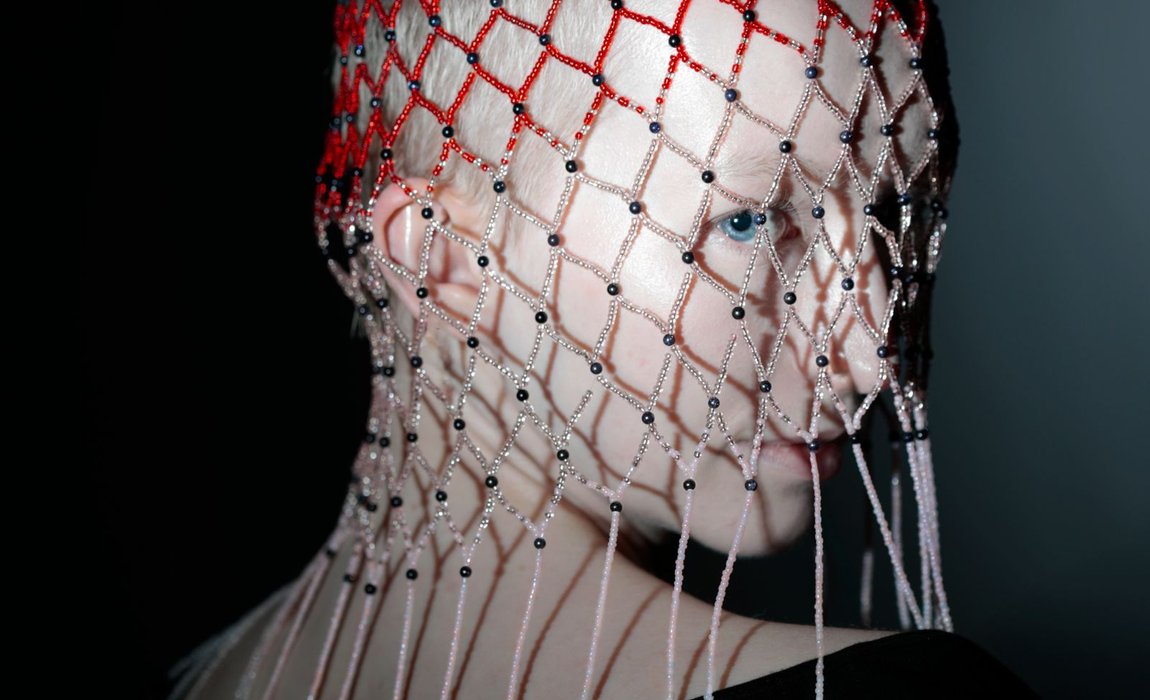
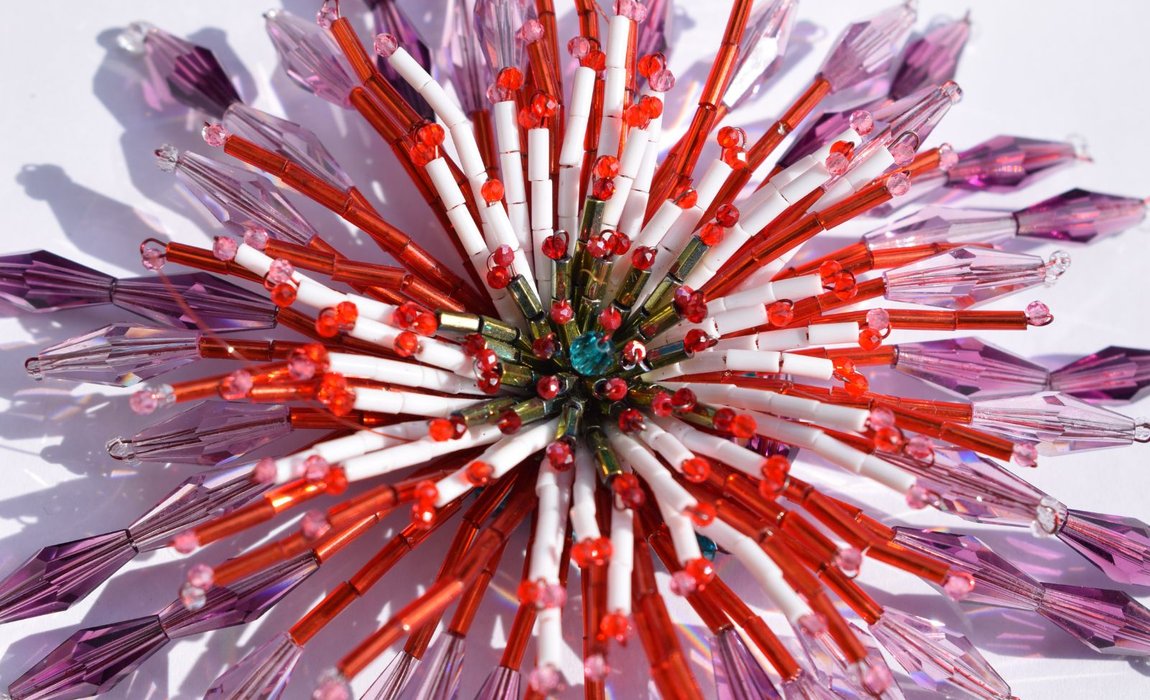
For her graduate show, she created intricate, delicate beaded pieces inspired by the mind and its circuitry, translating neurodivergence into tangible form - jewellery that reflects the complexity of thinking differently.
Today, Ida is thousands of miles from where she began, undertaking a six-month design apprenticeship in New York with a major US-based jewellery band. She describes the experience as surreal and exhilarating - the continuation of a remarkable pivot that began when she found the Foundation Programme online and decided to take a chance on an entirely new life.
This interview explores how she navigated that transition, what it means to design from instinct and intensity, and how embracing difference has shaped her career into something she once never imagined possible.
From Finance to Fine Jewellery
I was originally doing finance, studying IT business, and I just wanted to do something completely different. By chance, I found the Foundation Programme online, applied, and got in - and that was basically how it started. Since then, I did some work experience placements, then university, and now here I am - doing an apprenticeship in New York.
Lockdown Learning: The Foundation Programme During Covid-19
On the Foundation Programme, I learned a bit of everything. All the hand skills I learned, I’ve used. As long as you keep a good record, the skills were incredibly useful for almost everything I have done since finishing the course. It also gave me a confidence boost to finally do something I was good at. I still meet up with people from the programme.
There were a couple of specialisms that I struggled with, but overall I did well. The skills I was best at were probably designing and diamond mounting, and I really enjoyed the designing.
Everyone was amazing, but especially Richard Gamester and Niall Paisley. Richard really went above and beyond. Because it was COVID times, there were no opportunities at all, and because I didn’t have a jewellery background, I would have struggled. My path would have been completely different - it probably would have ended just after the course if I didn’t have Richard. He gave me company contacts and guidance during the course and afterwards.
I started the Foundation Programme in 2020-2021. The main lockdown had ended, then we went into a second lockdown, and we had video calls for the course. We mainly did designing, more than we normally would have, which some people didn’t like, but I really enjoyed it. Our teacher, Jasmin Karger, was in Germany.
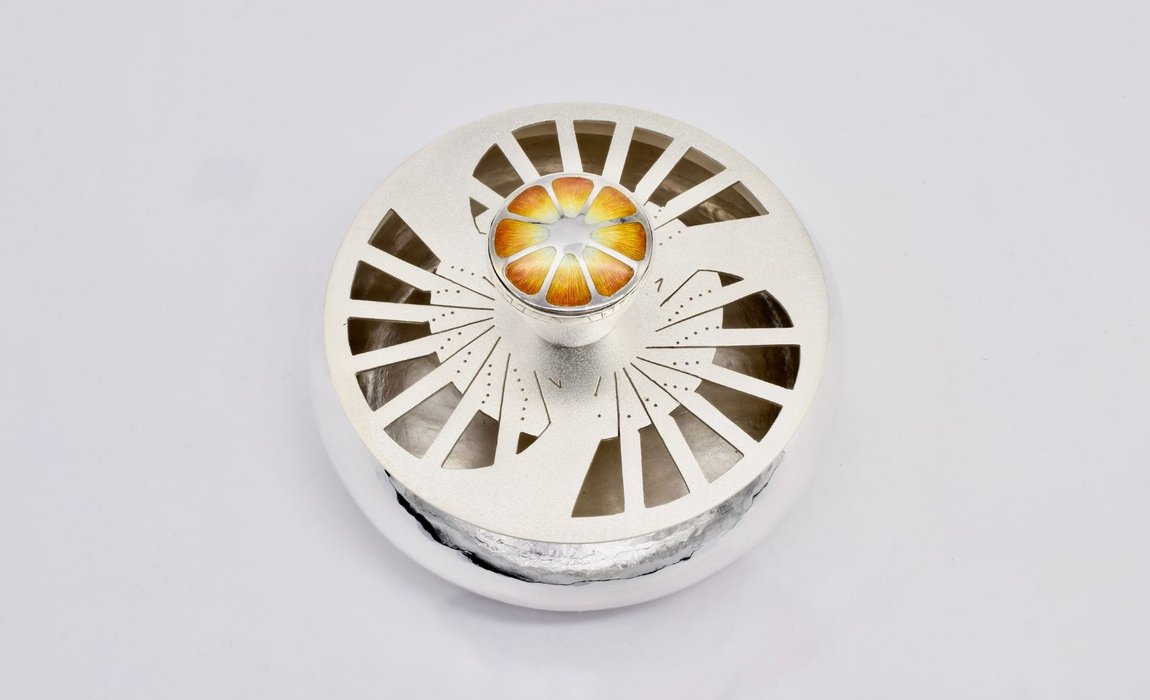
I just remember we were constantly doing so many different things that I was never bored. It was always something new to learn and something to finish. I was a bit slow, but I took my time and did things correctly because I wanted them to be perfect. The silversmithing project took us four months to finish a piece. I had never spent that much time on anything, and to see it finished, polished, and beautiful was amazing. I still have it, and it’s still shiny - I haven’t needed to polish it. It just stayed really nice.
I’ve always been good at drawing and handy when learning new skills. I pick them up quickly - a lot quicker than something like times tables. I’m dyslexic and have ADHD, so I always struggled with anything rigid, where you couldn’t divert from what you were doing. Learning something physical, that was still structured but allowed me to see what I was creating, suited me perfectly. With complex maths problems, I couldn’t visualise what the finished result was meant to look like. This felt different, and I’m so glad I did it.
Choosing the University Route
Before going to university, I did a placement year, so I had contacts. I asked everyone I knew who was in design where I should go and everyone said: go to university, go to Central Saint Martin’s - they’re so highly regarded. I’m glad I did. I got in because of my portfolio, and I don’t think I would have got in otherwise without the work I had done.
I knew about the mechanical aspects of designing - paint-ups, technical drawings - but I didn’t know anything about concepts and aesthetic languages. They’re complex and hard to describe; you need to be surrounded by them for a long time before you understand how to use them. Now I have a much better idea of what is well-designed and badly designed. You can’t always explain it. That was a learning curve. At uni, I also learned layouts and how to explain things to other people, which is super useful. I struggled with that in the beginning - I was terrible - but now I’m better.
During COVID, there were barely any apprenticeships, but I still did placements with companies. I didn’t know at first whether I wanted to do designing, but I settled on yes. The university gave me time to develop and figure out what I wanted. I think I threw myself too quickly into working at first - I needed space to find myself. The university gave me that opportunity. It’s a comfortable environment, where you can’t really do anything wrong. You have teachers and classmates, and you get the university experience. I would recommend it, although it’s not for everyone. I was apprehensive about being back in a school environment, but I really enjoyed it.
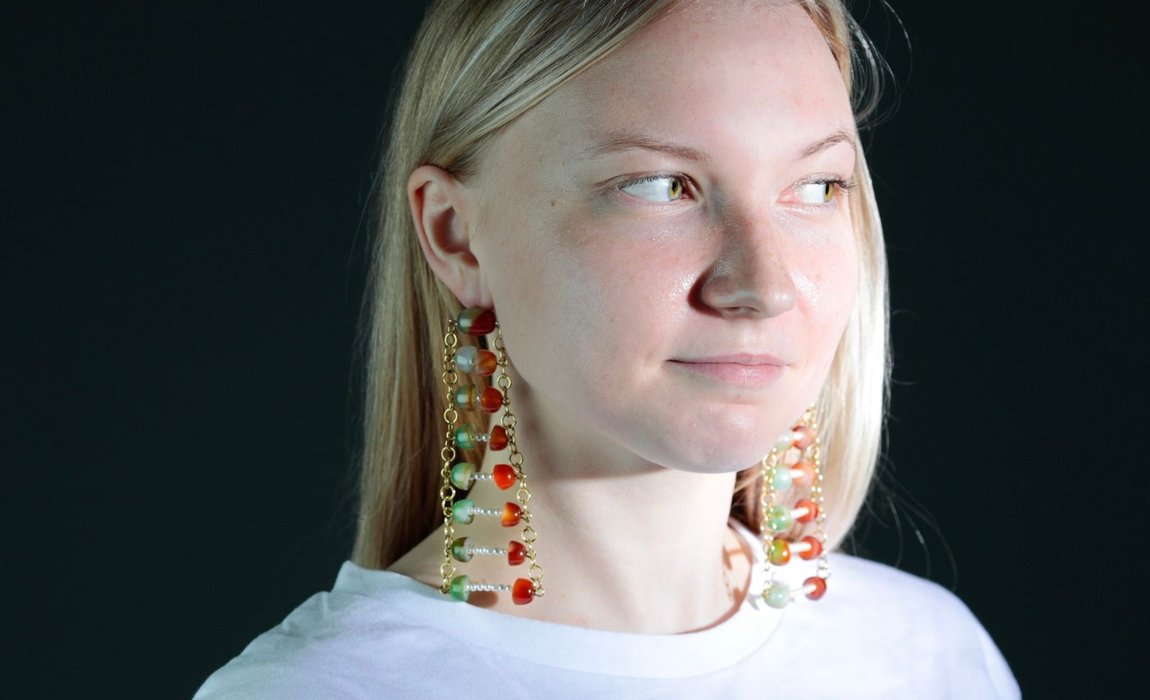
Crossing the Atlantic for an Apprenticeship
I’m currently in New York, filling the role of design assistant as a trainee. I’m mainly working with the concept team. They create ideas, draft them into collections, and the rest of the team realise them into reality. The company is amazing. I wanted to travel, and when they came to interview us, I already knew about them. I really liked their approach to jewellery, and when they offered me the position, I said yes. I’ve been to New York once before, when I was very young. I remembered it being intense. It’s still intense, but so much fun. There’s something happening all the time.
My apprenticeship is six months, so I have five months left. They’ve given me my own project for the whole time, which is fantastic. I’ve never done market research before, which has been interesting. I’m doing design packs and research, and I think they’ll be giving me small tasks like paint-ups and drawings soon. I’m looking forward to it.
The biggest shift has been learning professionalism and how to talk to people. Work is one thing, but the industry is small, so you have to talk to people and make connections. Learning how to do that in a way that is professional but also friendly took time. At first it felt clunky and not like myself, but you learn. You figure out what language to use and how to express yourself in a way that’s appropriate and makes people like you. Also, going from flexible university schedules to a rigid one was different. I’m still getting into it.
Staying Motivated And Inspired
What I enjoy most about this industry is the people, and also that there is always something new. Someone invents something and you think: how have you done this? We’ve been doing this for ages. The Goldsmiths’ Company is 700 years old - how can someone still create something no one has thought of? But it keeps happening, and it keeps you motivated because you want to be the one who invents something.
I find creativity in many different things. When I started uni, I looked at things I liked and figured out what my style was. After that, inspiration could come from anything - modern architecture, old architecture, comparing them. It doesn’t have to be jewellery. It could be how my socks landed on the floor, or the shape of a crumpled water bottle. Anything can be inspiration if you’re in the mindset. Sometimes it doesn’t work, and you take a break and come back the next day.
Looking Forward
I’m excited about working for a brand, even if it means shifting towards their aesthetic instead of my own. Even if an idea doesn’t align with their style, you can change it and mould it into something that works. Nothing is rigid - everything is flexible to a degree. There’s a lot of room. If you design something for a specific person, you still see your fingerprint in it. Like handwriting - even if you try to copy someone, your own character comes through. So I don’t think your identity is ever lost.
For the future, I want to continue what I’m doing - whether it’s as a trainee, head designer, or freelancer. I don’t mind. I just want to keep going.
My advice to anyone interested in this industry is: write everything down. Even if it doesn’t feel important. Draw everything. Keep layouts. Keep handouts. Keep a record of everything, because you will use it. It’s a nightmare trying to find it online – you won’t be able to. Unless you want to contact your tutor, which I recommend anyway, but keep written records of everything.