Liz Olver: Helping Emerging Jewellers Navigate the Hardest Part – Knowing What to Do Next
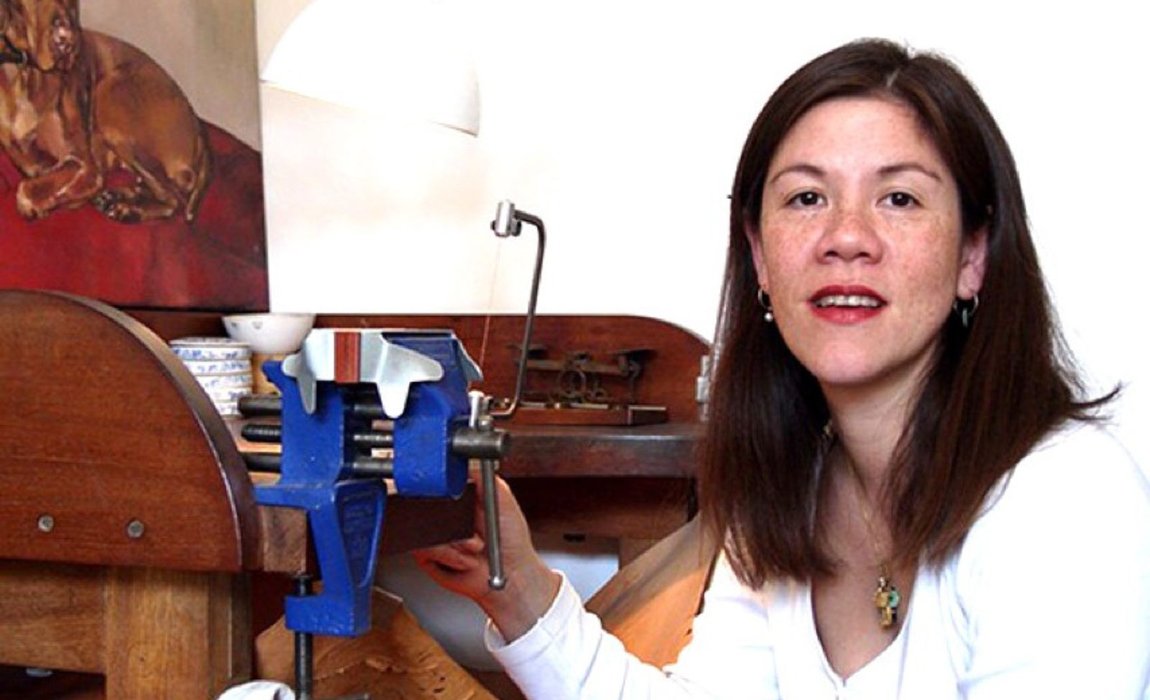
For emerging businesses, the leap between creativity and commercial viability can be steep. Through Business Diagnostic and Advice sessions, Creative Links events and one-to-one mentoring, jewellery industry veteran Liz Olver makes the journey smoother, guided by 40 years’ experience and a desire to give back.
Liz collaborates closely with designer makers, helping them to pause and assess where they stand, and move their business forward with clarity. A regular speaker at Getting Started Online, Creative Links events and a long term panel lead of the Goldsmiths’ Centre’s Business Diagnostic and Advice sessions, she provides a practical first step, whether a venture is just starting out or struggling to gain traction. Rather than prescribing solutions, she helps founders understand product development, pricing, positioning, and long-term direction. It’s not about telling them what to do – it’s about asking the right questions to uncover the answers for themselves.
Liz helps emerging businesses seize the future with confidence, structure and purpose. In this interview, she reflects on bridging creativity and commerce, redefining success on individual terms, and why honest, shared knowledge is essential to a resilient jewellery industry.
Giving Back at the Right Moment
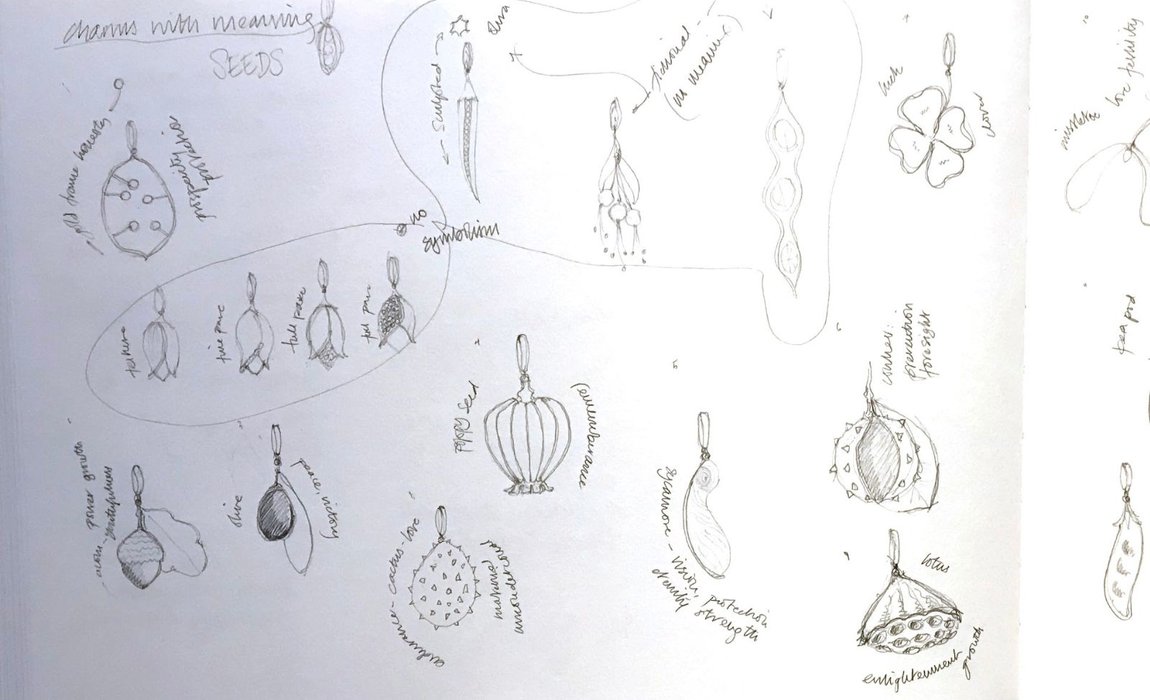
‘After forty years in the industry, I’ve reached a point where taking time to give back feels natural and necessary. I’ve moved to Norfolk, and much of the industry is London-centric. I’ve also reached a stage where taking on another full-time role that isn’t tailored to me feels wrong. I recognise that being at the coalface isn’t always necessary – others need those roles and that trajectory.'
“I’m fortunate because of my background in teaching, and because I genuinely enjoy being generous with my time and knowledge. I want people to do well. The Goldsmiths’ Centre is structured in a way that aligns closely with that; supporting emerging businesses while keeping me connected to new talent and new ways of thinking. In many ways, it feeds me and I feed it. It’s a very good relationship.”
The Need for Structure
‘When I was first asked whether I’d be interested in collaborating on the Business Diagnostic and Advice sessions, I said: Absolutely! I’m enthusiastic, I like a challenge, and I don’t want to be doing the same old thing. We’ve now seen well over a hundred small businesses come through the sessions. What makes it so interesting is that it isn’t just about creativity – it’s about translating creativity into commercial reality.
I’m mostly asked to focus on product development and range planning. These are areas often misunderstood, so it’s about making them feel accessible and applicable. There’s always a design input to the advice, which brings coherence to creative output while ensuring it performs commercially.'
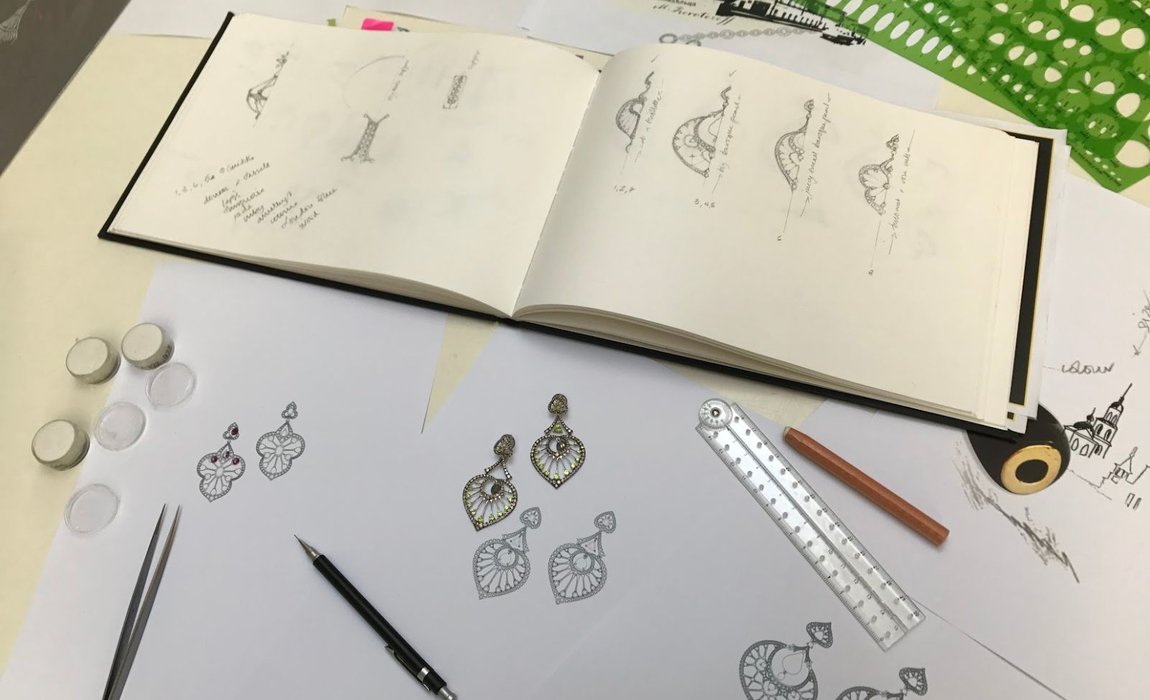
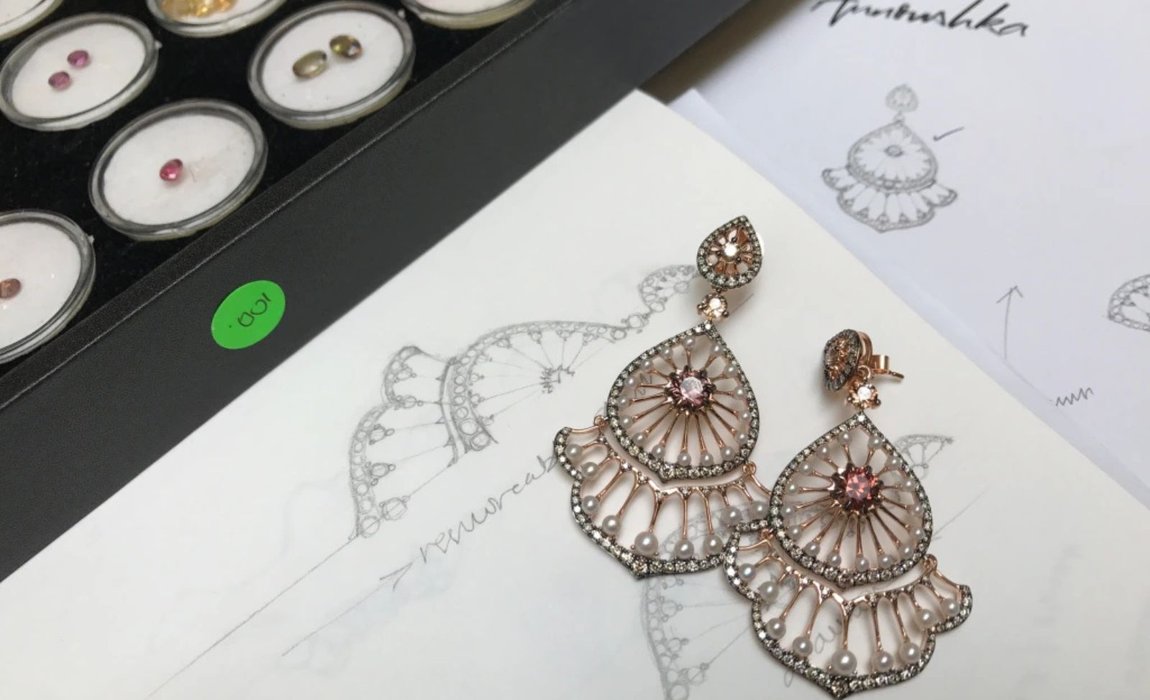
'Pricing, margins and value are another big one. Many people undervalue themselves because creative work is so closely tied to confidence and self-belief. For jewellers, range planning can feel abstract. I break it down into very simple terms. If you walked into Marks & Spencer and they didn’t have trousers, skirts or shirts, it wouldn’t make sense. Within trousers, you’d expect different styles and price points. Jewellery needs the same clarity and structure – entry-level pieces through to more aspirational collections.’
Success Looks Different for Everyone
‘Often people feel led by expectations and haven’t thought about what success actually means for them. It’s about permission to make your own choices and feeling supported in that. The Goldsmiths’ Centre does that really well without judgement, helping individuals reach their potential at their own pace and scale. As part of the Business Diagnostic and Advice panel, my aim is that people leave the conversation feeling more enabled, inspired or energised.
Many creatives assume success looks a certain way without defining it for themselves. Sometimes it’s about permission to say: I hate this, so I won’t build it in; I love that, so I’ll focus on it. There’s no single formula for a sustainable creative business. I’m still on that journey myself. Everyone’s path is different – what matters is feeling supported to define success on your own terms.’
Silos Remain
‘We often see people working in silos rather than collectively, not helping each other or sharing knowledge in ways that move everyone forward. Emerging creative businesses are usually small, time-poor and under-resourced, and confidence can be fragile.
I’d love to see the UK industry become less inward-looking and more internationally connected. There are still boundaries between regions, trade and creatives, that could be broken down. It’s important to connect people to honest, safe advice that isn’t directive but is supportive and thought-provoking.
Without that kind of environment, people end up reinventing the wheel. If we can acknowledge that the wheel already exists and instead focus on how we use it differently and add value, that’s far more constructive. I would love to see slower, more thoughtful approaches to making and business – focusing on quality, integrity and value rather than volume. Doing less, but doing it better.’
A Rising Standard
‘The Goldsmiths’ Centre exists because of the Goldsmiths’ Foundation’s investment, and that support has been transformative. The Centre has created a gold standard that it now passes on to others. That’s incredibly valuable.
Jewellery isn’t a necessity, but it has meaning, and people care about it. Supporting makers so they can earn a living, keep going and work with integrity, skill and purpose is vital.’
Hear from more community members, supporters and beneficaries and read the Goldsmiths’ Centre’s Impact Report 2024/25
Discover our Business Support Programmes for the jewellery, silversmithing and allied industries