Paul Savage: Shaping the Next Generation of Makers Through Leadership and Experience
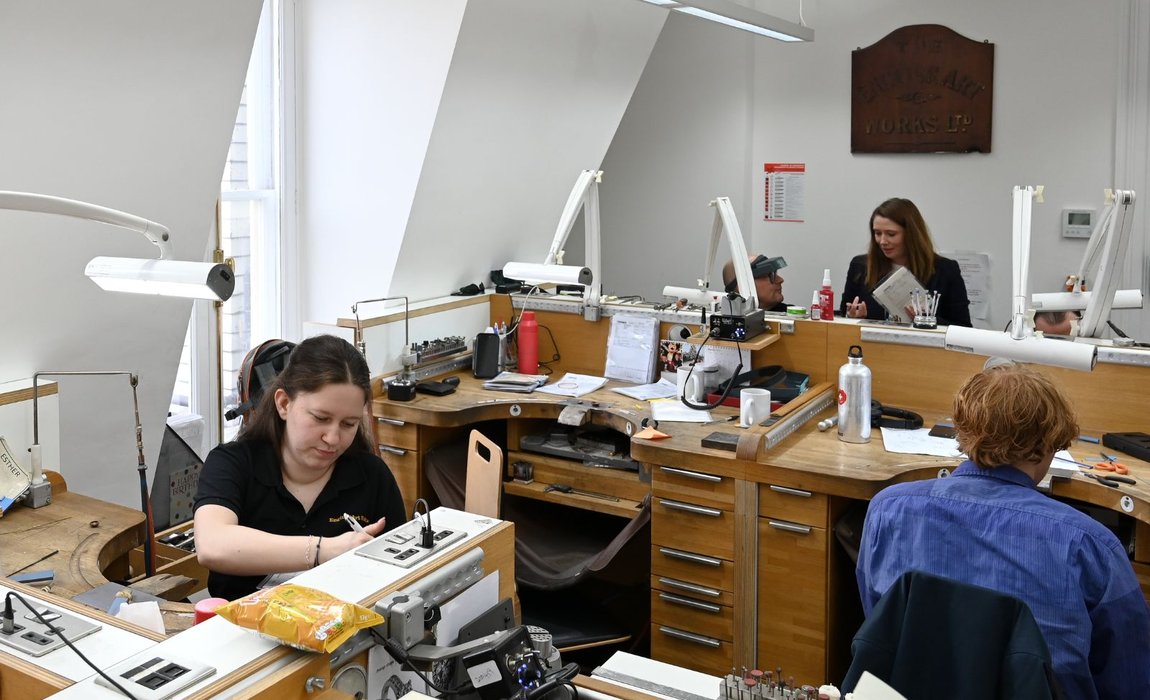
With over two decades at the bench and in leadership roles, Paul Savage has carved out a distinguished career in the world of fine jewellery and luxury manufacturing. Now Workshop Manager at English Art Works - Cartier’s UK workshop - he oversees a team of highly skilled craftspeople whose work forms part of one of the most respected maisons in the world. It is a role that reflects not only his technical skill, but the strategic thinking and respect for craftsmanship that have defined his journey, which began with a traditional apprenticeship. An advocate for training and hands-on learning, Paul offers work experience placements within Cartier’s London workshop to aspiring makers at the very start of their journey. For him, these opportunities are not just a chance to observe a world-class workshop in motion, but a vital way of ensuring the trade’s future - where technical skill, attitude and resilience are nurtured from the ground up. We spoke with Paul about his career, the value of structured training, and why giving young people access to a professional workshop is an investment in the future of the craft.
Paul’s Day-to-Day
‘I’m currently the Workshop Manager at English Artworks, the UK workshop for Cartier, based in London. I manage a team of 13 people and oversee day-to-day operations, workshop processes, and both the jewellery team and the admin team. Prior to that, I began my career as a traditional apprentice – the classic route into the trade – and spent around 17 or 18 years at the bench before moving into management and leadership roles.
When I joined Taylor and Hart, I became the Head of Production, which is where I really transitioned into leadership. I later moved to Asprey Manufacturing as a team leader and Production Manager, and then, more recently, to Cartier, where I’ve been for the last two years.
The reason I entered the trade wasn’t because of family connections or industry ties – it was simply because I wanted to be creative. I wanted to work with my hands, and I was fascinated by craft and traditional skills. My motivation really came from seeing the pieces being made by UK manufacturers. When I looked at college courses while still at school, I was in awe of the techniques and expertise being taught. Some of the craftsmen I encountered at that stage went on to teach me, and I’m still in awe of people with those kinds of skills.
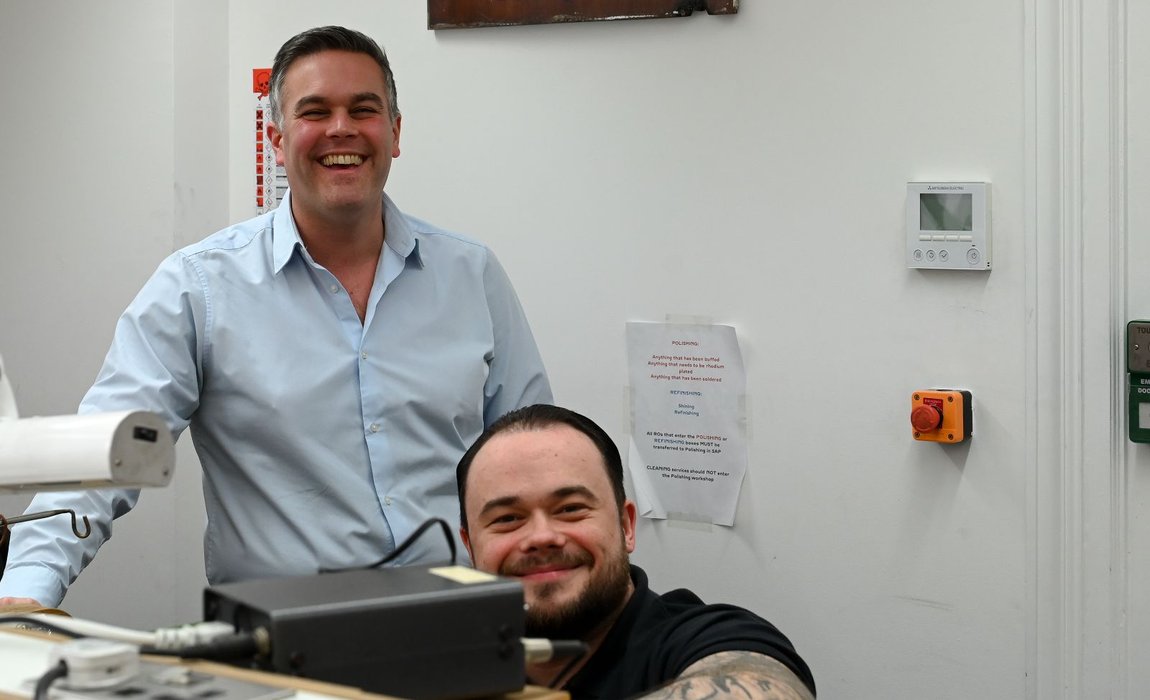
I’m no longer at the bench, unfortunately, but that’s the nature of the role I’ve moved into. In smaller workshops, some managers do still jump onto the bench when needed, and I have done so on occasion, especially in all-hands-on-deck situations. But day to day, my role is centred on strategy, operations, budgets and team management.
Having bench experience is enormously helpful. Being immersed in workshops for over 23 years means I understand what the team faces. It’s not that someone needs decades of experience to lead effectively, but it does help when everyone is speaking the same language. You can communicate more clearly, understand the challenges, and work with the team to find solutions – and a huge part of what we do is problem-solving. If you’re asking a team to solve problems that you couldn’t solve yourself, it becomes difficult.’
Being Generous with Knowledge
‘I’ve always been a strong advocate for skills training and giving young people a chance. If I see someone with promise, I’m more than happy to give them time – whether that’s a half-hour chat or a week or two of work experience. At that stage in your career, it’s all valuable. I was very lucky that someone gave me that chance when I was 16, and I’m extremely grateful; without it, I wouldn’t be where I am now.
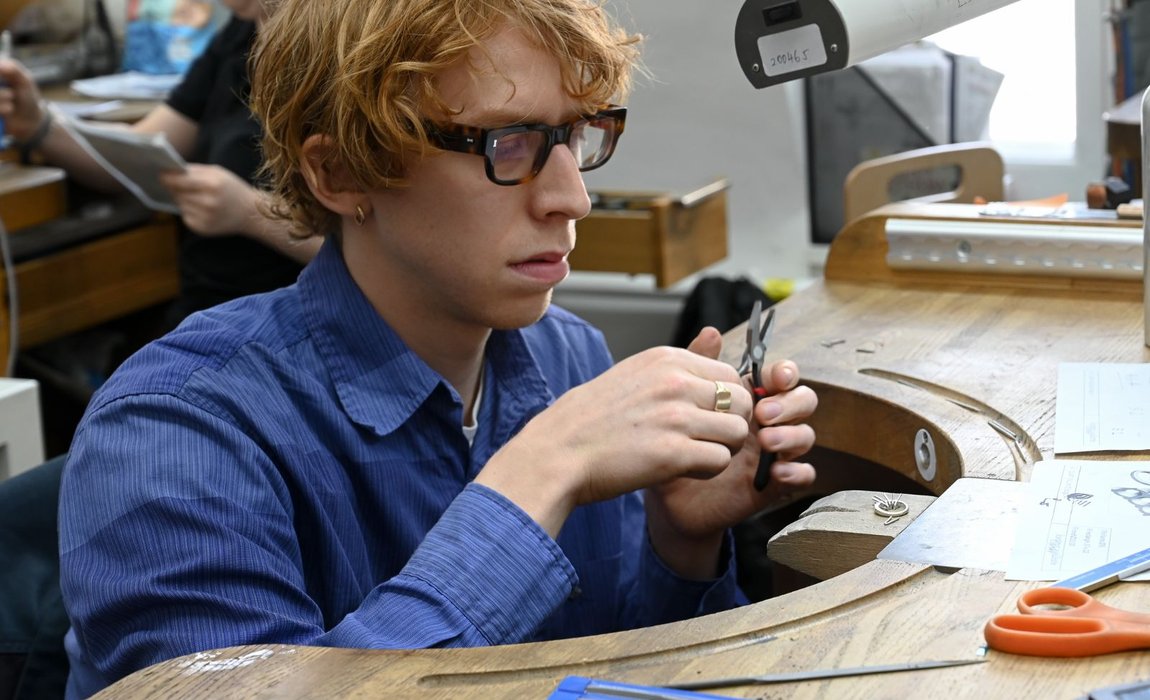
My master and boss during my apprenticeship were very open with their time and knowledge, and that generosity left a real impression on me. It’s important for people in my position to give something back – whether that’s mentoring or structured time over a placement. There’s nothing greater than passing on skills to someone who’s just starting out.’
Training - For the Good of the Industry
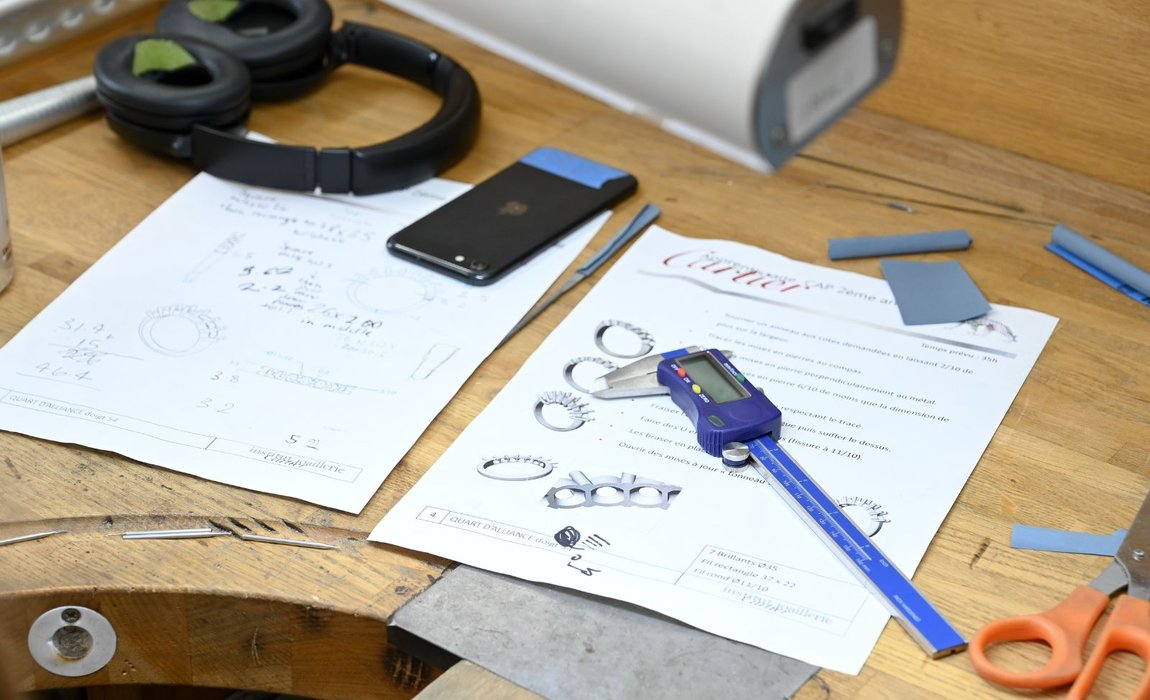
‘It can be a sacrifice of time to train someone, but we manage it by setting structured projects - small practice pieces that help us plan the likely questions and time needed. The experience of being in a workshop with highly skilled craftspeople is invaluable, and structure makes it more manageable for us.
An apprentice is undeniably time-consuming, but you have to think long-term. You’re investing in a person. If they’re trained well, the time you put in during the first years comes back to you over the next five to ten years.
I’ve always been open about the fact that even if we train someone, they may move on – and that’s fine. People grow, change roles, or move away, and we will always be recruiting, too. What matters is training people to a high standard and instilling the right attitude. It benefits the whole industry if everyone is training well; apprentices trained elsewhere often become valuable team members for us later.’
The Importance of Attitude
‘The biggest lesson is that attitude outweighs skill. Skills can be taught; attitude is harder to instil. Someone needs patience, resilience, the ability to self-evaluate, and the willingness to be told something isn’t good enough and redo it. You must be inquisitive and make the most of every opportunity.
My own apprenticeship was tough – going straight from school into a commercial workshop is a shock. You need resilience, you need to keep your head down, practise constantly, and hone your craft. There really is no substitute. Every former apprentice knows the moments when you question why you’re doing it, but you push through, overcome the hurdles, and focus on learning.
Some people have a natural ability and patience; others need to work much harder. But especially at this end of the industry, if you don’t have the attitude, it’s simply not the right path. There are many other routes in the trade, but for the bench, resilience and patience are essential.’
The Challenges of Being a Mentor
‘Teaching challenges you in new ways. You’ll get questions that make you reassess your own methods. Two craftspeople will always have two different ways of doing something, so teaching forces you to evaluate your own approach. Even when you’re teaching, you’re still learning.
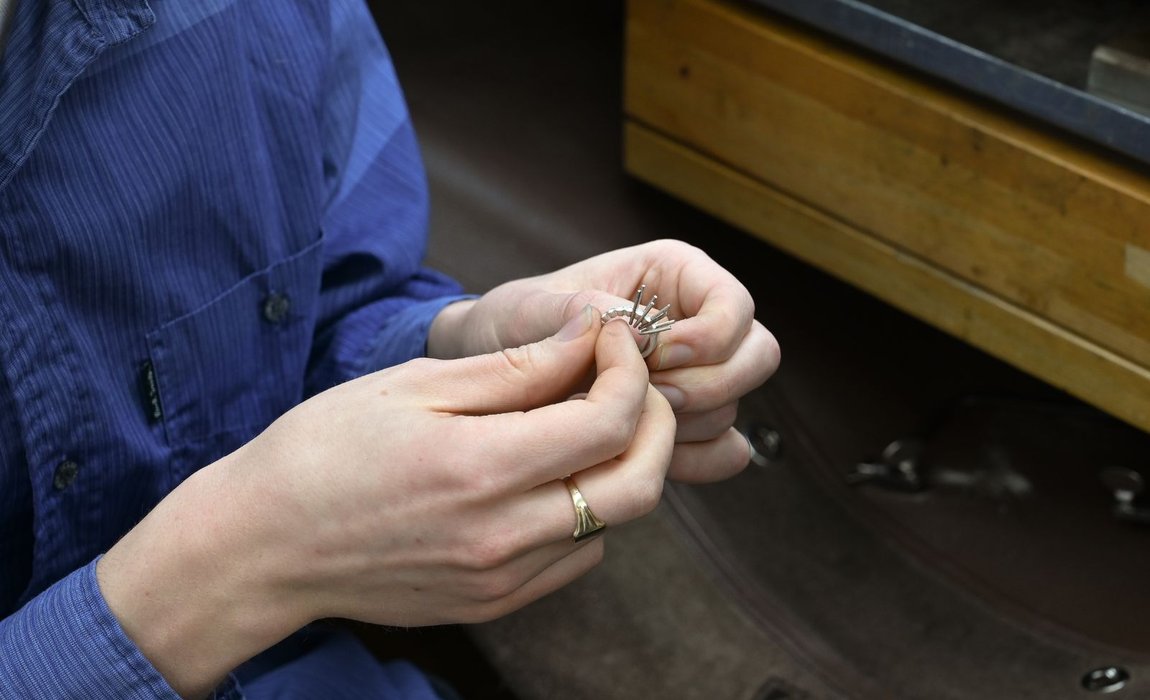
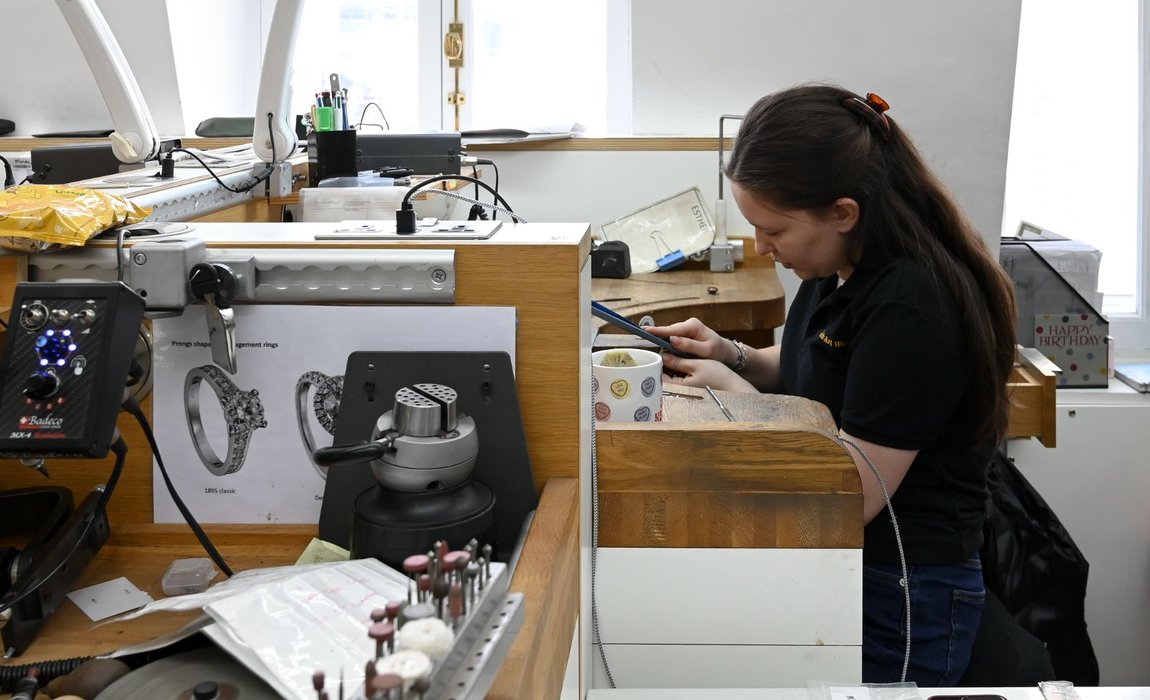
We structure practice pieces so that trainees complete something tangible – a ring, a pendant, a small brooch – something with an end goal that includes core skills: marking out, piercing, filing, soldering, polishing. It may also include disciplines like stone setting or joint work. Without structure, trainees often finish a placement without having gained the experience they really needed.
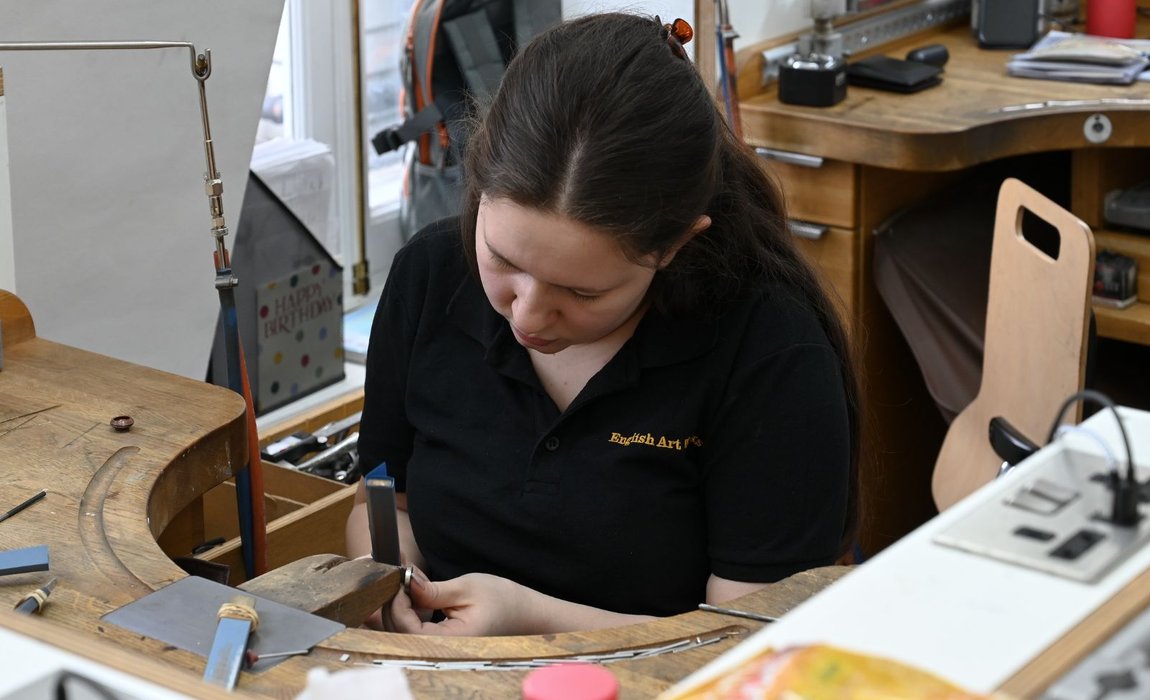
I’ve seen many positive outcomes. Students and pre-apprentices have gone on to full apprenticeships or roles elsewhere, and it’s always wonderful to hear from them. University students often say the placement opened their eyes to how a commercial workshop operates. You can learn an enormous amount simply by being immersed in the environment.
Skills can be taught, but attitude is what I look for: patience, resilience, problem-solving, self-evaluation, willingness to take feedback, and the determination to do something again and again, even when it’s already perfect. Most people on work experience are at the very beginning of their journey, so we don’t expect expert skills – just the right attitude and openness to learning.
Most trainees integrate well with the team. I encourage several team members to be involved so the trainee receives a breadth of knowledge, without overwhelming them. Simply watching experienced craftspeople at work can be as educational as doing the task yourself.’
Tackling Employer Misgivings
‘If you’re reluctant, try it. If you don’t try, you’ll never know. Even a few hours of your time can make a huge difference to someone just starting out. A short conversation can be life-changing. Don’t underestimate what you have to offer. I was given that chance, and I feel strongly that it should be passed on.’
Advice for Aspiring Makers
‘Be persistent. Don’t give up. If this is the career path you want, go for it and take every opportunity offered. Be inquisitive. If you get the chance to work with highly skilled craftspeople, seize it. Lay your foundations early: learn your craft, perfect your skills, keep learning, and never think you know everything. Curiosity and constant practice will give you the grounding to move forward in your career.’
Get Involved: Inspire the Next Generation
If Paul’s story has inspired you and you know a young person who would like to join the Jewellery Foundation Programme or you’d like to mentor a work experience trainee, you can get in touch with our team at professionaltraining@goldsmiths-centre.org