Ben Hawkins: The Culture of Sharing Knowledge is Ingrained from Day One
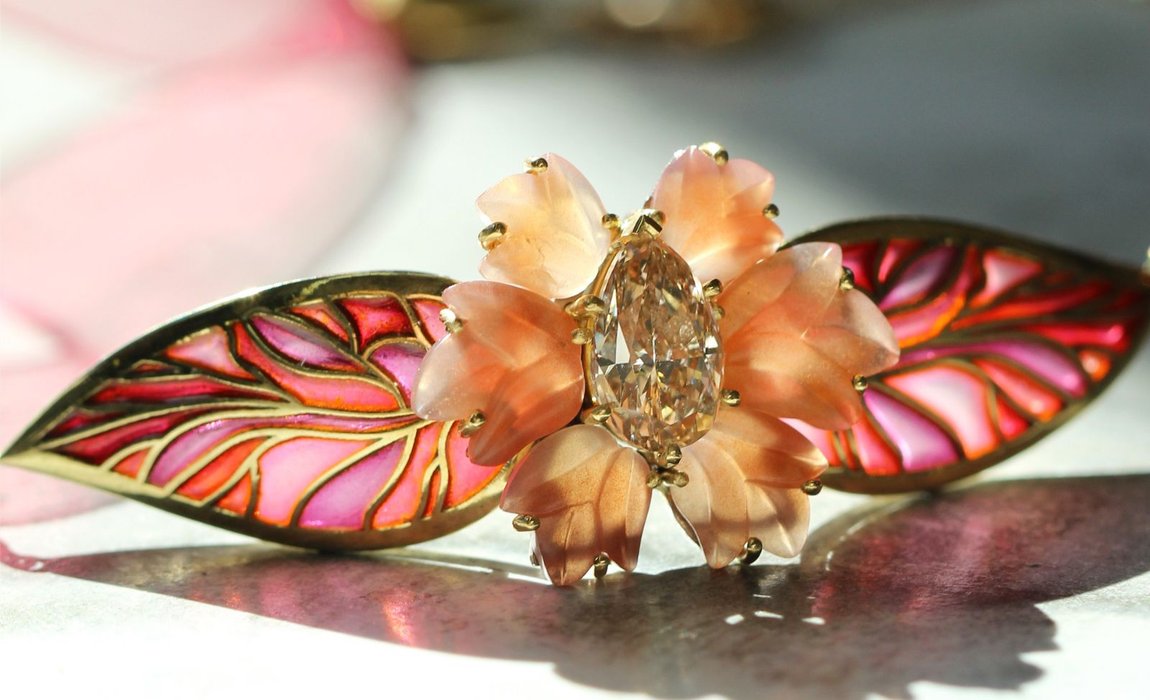
You may have spotted acclaimed playwright, actor, and writer Jeremy O. Harris on the 2025 Met Gala red carpet in May, wearing a dazzling Fabergé egg-inspired ring by jewellery designer Benjamin Hawkins. It was a show-stopping moment – and the piece itself represents far more than glamour. It speaks to craftsmanship, imagination, and an unconventional journey shaped by determination. From sweeping floors in London’s Hatton Garden to establishing a thriving bespoke jewellery practice, Ben’s rise is a testament to resilience and passion. Today, as he mentors the next generation of makers, he embodies the belief that the true beauty of heritage craft lies not only in the finished work, but in the hands, skills, and stories behind it. In late 2024, we sat down with Ben to discuss the defining moments of his career captured in his own words, the complexities of running a bespoke jewellery studio, and his experiences guiding emerging artisan.
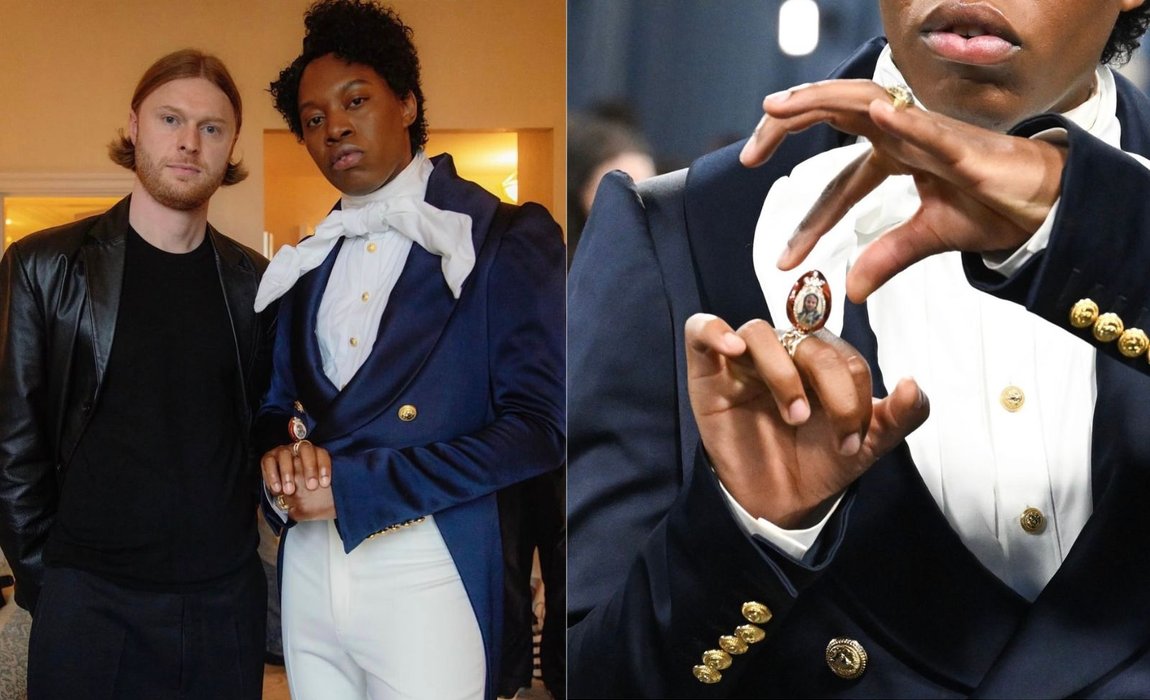 Source: @benjaminhawkinslondon
An Unconventional Route: Ben’s Journey Into the Industry
‘My grandparents grew up in Leather Lane, which is just next to Hatton Garden, and all of my family worked there at some point. It’s a bit of a niche industry to get into – usually, you know someone who knows someone to begin with. That was the case for me, too. I did summer jobs in the workshops, making tea and sweeping the floors. I enjoyed the atmosphere, so when I left school, I started looking for the best place to start an apprenticeship. The Goldsmiths’ Centre came highly recommended, so I did some research, got in touch, and applied for the Foundation Programme. That’s where everything started for me.
I completely fell in love with it. There were so many facets I enjoyed. Coming from a traditional school environment, where everything was pen on paper, and then entering a space with hammers and flames, where you could think of something and make it with your hands - I was totally blown away by that. And the community was so lovely. That was it for me, really - I never looked back.
After the Foundation Programme, I did an apprenticeship for about a year. It taught me a lot about how to run a business, and that experience was really valuable. But then an opportunity came up with an amazing maker renowned for being brilliant. He had a small company called English Traditional Jewellery and a workshop in Hatton Garden that hadn’t changed in years. He wasn’t employing anyone because he was retiring, so I rented a bench next to him and worked with him for two years. I felt so lucky to sit beside him. He helped hone my craft, which was something I needed at that point.’
Ben Hawkins Jewellery
‘We only do bespoke work. Every client is different. Some come to us with a clear idea, but often we’ll put together mood boards – not necessarily jewellery-related – that reflect who they are, in order to design something that represents them. It’s a hyper-personal process.
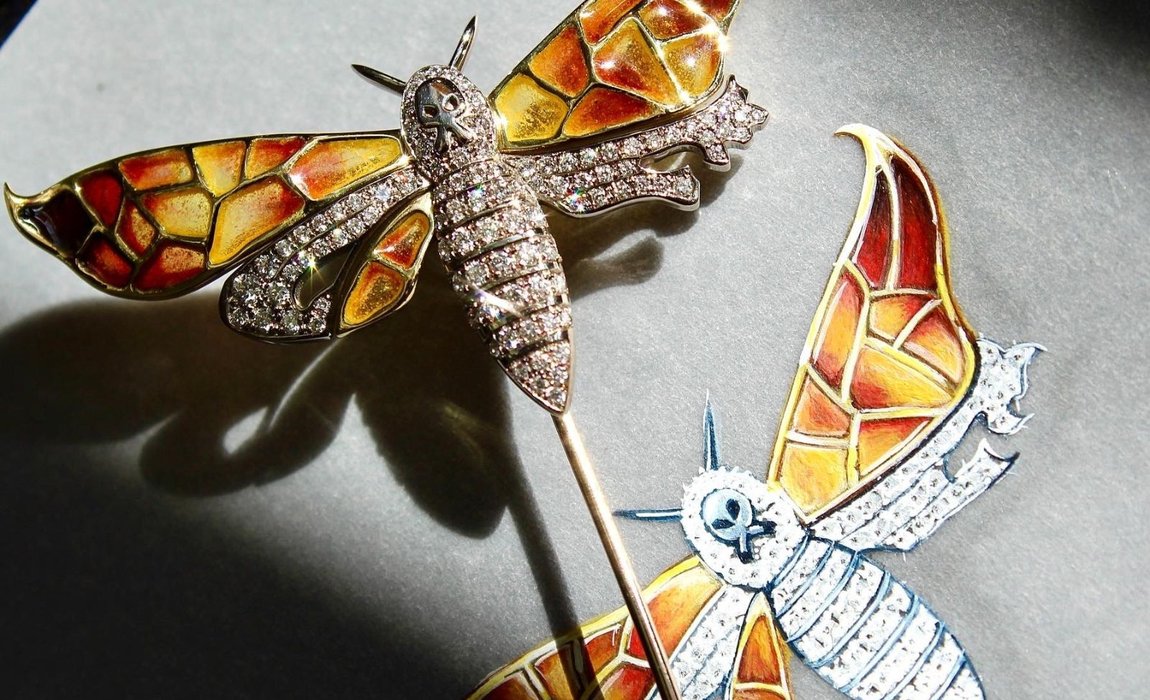
That’s been our unique selling point. We’ve always been incredibly passionate about the craft, and we've poured that energy into designing around people; really going the extra mile to create something beautiful that isn’t restricted by manufacturing limitations. We’ll go to the ends of the earth to find the right materials. Not because we’re trying to market that – it’s not performative - it’s just who we are. And I think that sincerity shines through.’
Looking Back on the Foundation Programme
‘I remember the Foundation Programme really clearly and fondly. It was fantastic. There were eight of us from different backgrounds and parts of London and the South East. Some had come from quite far to be there. It was this new experience, being surrounded by all this amazing equipment. And the building itself. When I first arrived, I just thought it was such a cool place to work every day. There was this real sense of pride.
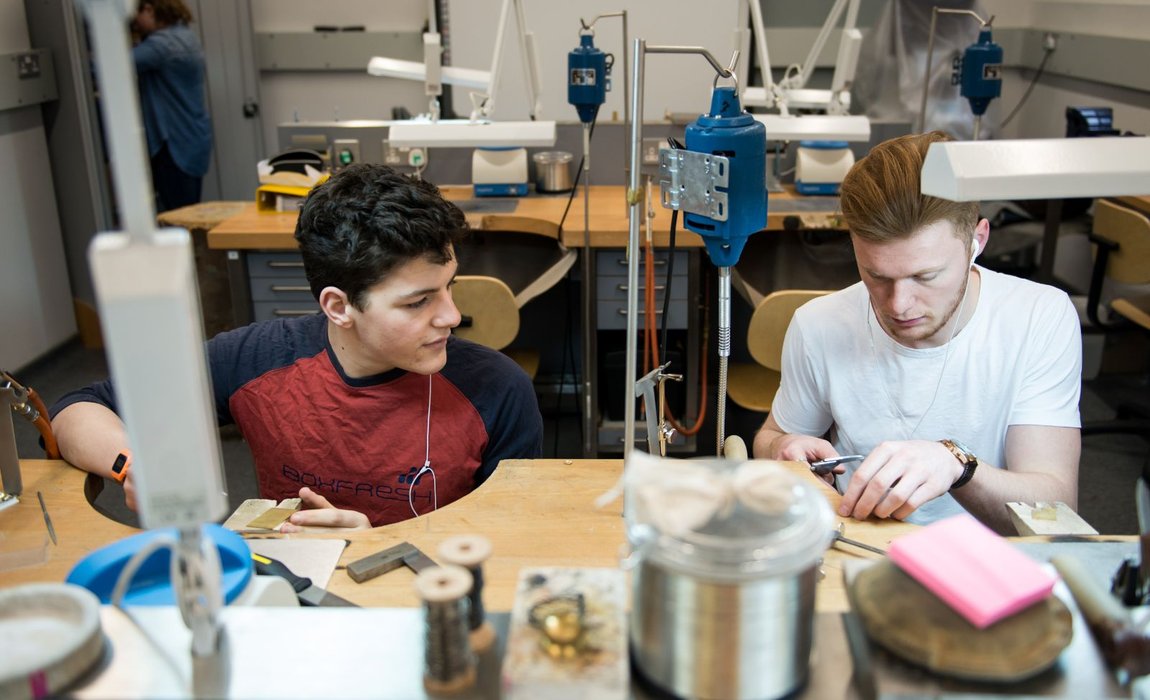
What I remember most about the Foundation Programme was how we all bounced off one another. None of us knew one another, and we only had a year together. Someone would be a little better at this, someone else a little better at that, and we kind of found our way in, learning from each other and collaborating. That sense of community runs through the Goldsmiths’ Centre. I think that’s what stayed with me most.’
A Return to the Centre
‘When I was based at the Sarabande Foundation, I was working at the same time, so I was learning whilst also slowly building a client base. By the time I finished there, I felt confident enough to rent my own space. I came back to the Goldsmiths’ Centre in 2017, taking on a small workshop. After renting the space, I got a small bank loan, and managed to buy a few machines and tools.
From the start, the business focused mainly on bespoke work. It grew organically. Because of my past training, I knew how to paint enamel, make jewellery and silversmith. I had a well-rounded education. It meant I could sell to a client before I even bought the materials. I’d pitch the idea, get the commission, and then use that to fund the materials and make the piece. That’s why bespoke worked well for me.’
A Constant Learning Curve
‘I'm still learning and finding my way, especially in the bespoke world where you're designing based on someone else's vision. You have to learn to love the process. Sometimes, a project you think you'll hate ends up becoming one you love as it develops. There are endless ways I continue to learn every day. It’s an introspective career – when designing, you’re always figuring out why you’re drawn to certain ideas and what they say about you. You put a bit of yourself into every piece.
The industry has so many facets: manufacturing styles, materials… even if two pieces are identical in looks and material, there are countless ways to make them. Each job often feels like starting from scratch, and there's always something new to learn. On top of that, learning to run a business was something I stumbled into. It’s been a steep learning curve with a long way to go.
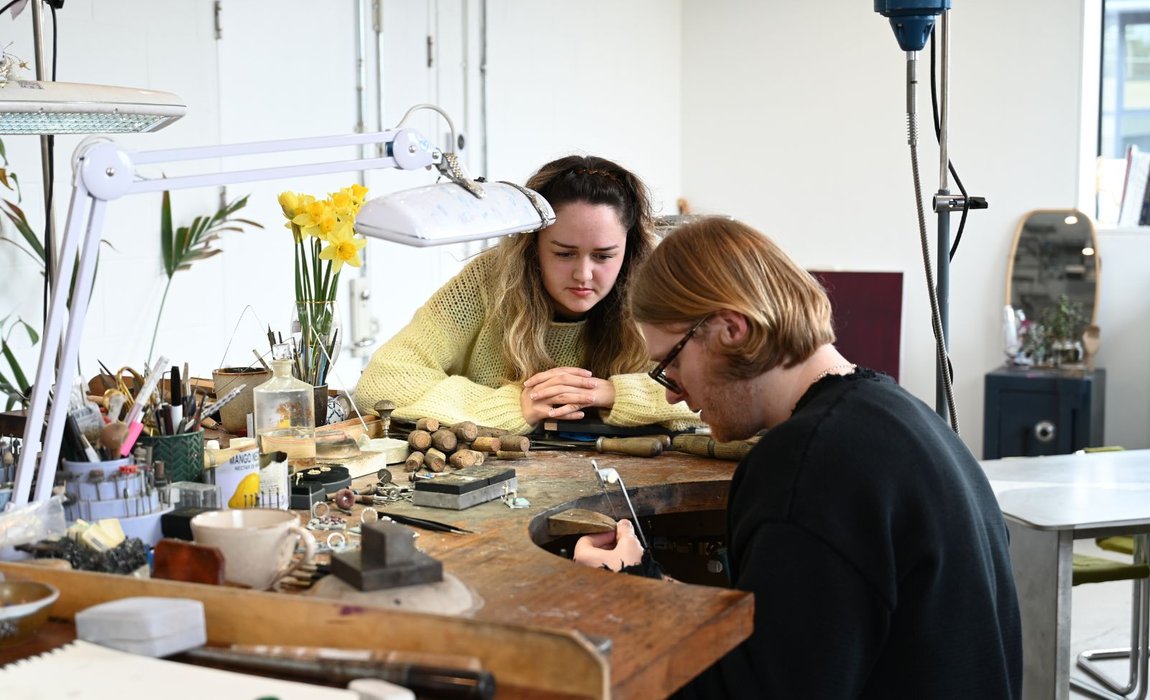
I’m now in my third studio at the Goldsmiths’ Centre, and more people have come on board, which has been an adjustment. Going from working alone to having an apprentice and a team has been a challenge – learning to delegate and manage different roles has been difficult, you get so attached to pieces. But the team I have is amazing.’
Taking on an Apprentice for the First Time
‘Taking on an apprentice, Grace McNamara, has been such a rewarding experience. It's another deeply introspective process. I’ve had to think about what I liked and didn’t like about my own apprenticeship, try to keep the good parts, and improve on the bits that didn’t work. I’ve also had to understand that everyone learns differently, and I’ve thoroughly enjoyed that part.
I was always the young one in the industry… but not so much anymore! Watching the next generation come through has been great, and adjusting to that shift has been rewarding. Apprentices are smart, helpful people – even if their making skills aren’t fully honed yet, they’re still really valuable to the business. So it’s definitely a two-way street.
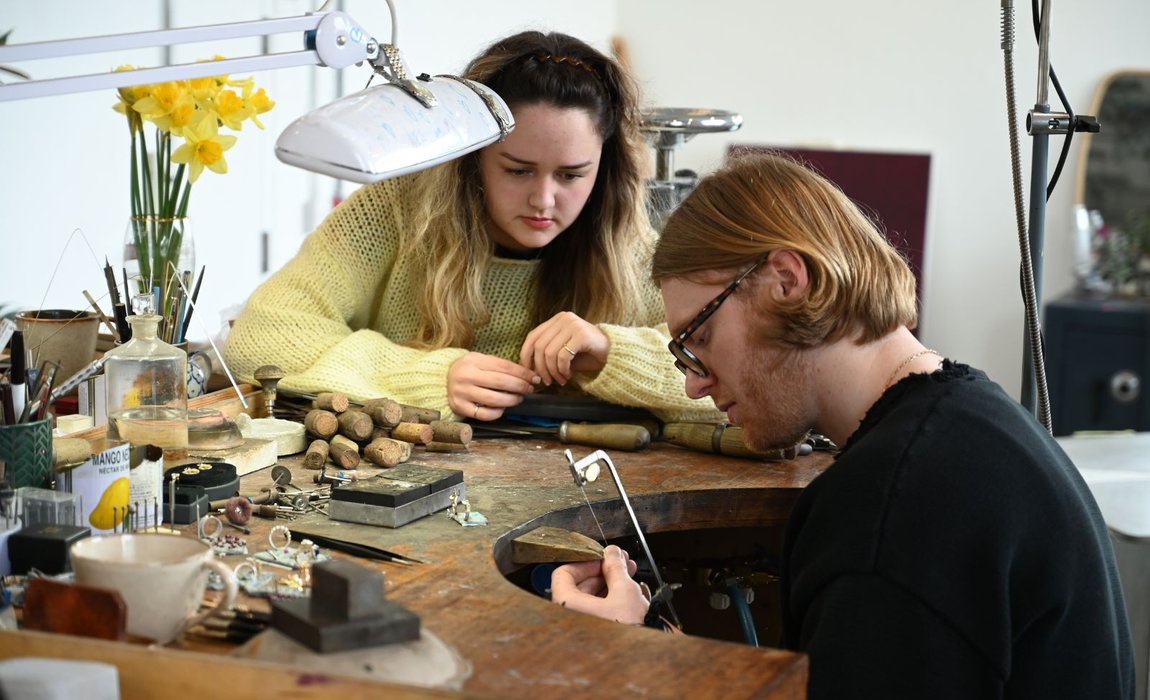
At the beginning, I had a bit of impostor syndrome. I wondered if I was ready to take someone on – I still felt like I should be learning myself. I think that feeling never really goes away. Having an apprentice isn’t just about passing on skills at the bench. You’re spending all day, every day together. It’s a very intimate learning process – just two people, like a one-on-one class. There are so many soft skills involved that were completely new to me. But I’ve really enjoyed it, and I’d definitely do it again.
A lot of people at the Goldsmiths’ Centre contribute to their training programmes. We do a lot of work experience. Actually, three people who are here now were all on the Foundation Programme - at different times. What’s great is that the culture of sharing knowledge was ingrained in me from day one - everyone here is happy to share and reach out in the same way.’
The Importance of the Goldsmiths’ Centre
‘The Goldsmiths’ Centre was vital for me in my career and it’s vital for the industry, more so now than ever. It’s really the central hub in London and ties all the many small businesses and the manufacturing-side of the industry together - not just in terms of community, which it absolutely does, it’s incredibly inclusive, which is rare in the jewellery industry - but it also acts as a hub for excellence.
There are some amazing people involved. I had no idea until I got out into the industry that the people teaching us on the Foundation Programme were actually some of the best in their field, and they were so willing to pass on their knowledge.
Even the support on offer that’s not talked about, that isn’t part of a formal programme, is incredible. Whenever I’ve needed help, I can walk through the door and someone will be there to support me. It doesn’t have to be part of anything official. There have been times I’ve had no idea what to do with my work, and someone’s stopped what they’re doing and talked it through with me.
That, I think, is the real gold of the Goldsmiths’ Centre: the support. It’s everywhere. There’s someone in every position who’s happy to help. And the most important part is that everyone actually cares. It’s not just a veneer or a box-ticking exercise. People here are genuinely invested. I’m a big champion of the Centre.
The world has changed a lot over the last few years. I started the Foundation Programme over ten years ago. The Centre has been a hub throughout all of that. There’s been so much oscillation in the industry, and without the Centre, I think we’d have felt unanchored. It’s definitely been a stabilising force.’
Find out more about the Jewellery Foundation Programme {link to https://www.goldsmiths-centre.org/learn-and-upskill/foundation-programme}
Learn what it takes to employ an apprentice {link to https://www.goldsmiths-centre.org/learn-and-upskill/employing-an-apprentice}